

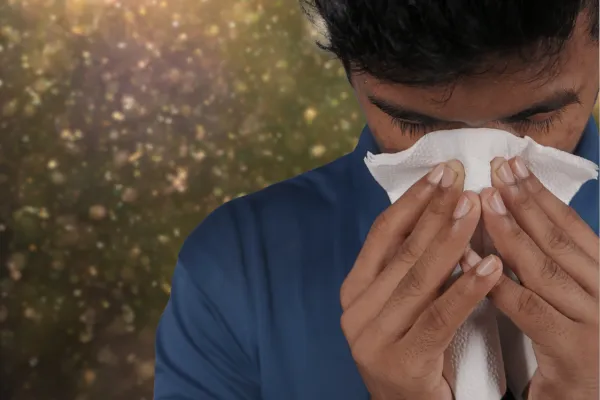
Spring Allergies and Children: Causes, Symptoms, and Treatments
As spring arrives in Deming and across Luna County, many families notice the same pattern each year — more sneezing, itchy eyes, and lingering coughs. With our windy desert climate, dust and pollen can make this season especially challenging for children.
Understanding what’s behind these symptoms — and how to manage them — can help your child stay comfortable and active all spring long.
What Causes Spring Allergies in Children?
Spring allergies are most commonly triggered by pollen from trees, grasses, and weeds. In southern New Mexico, wind can carry these particles across long distances, increasing exposure even on days that seem clear.
When a child has allergies, their immune system reacts to these particles as if they were harmful, leading to inflammation and symptoms.
Common Symptoms to Watch For
Children may not always explain what they’re feeling, so it’s helpful to recognize common signs:
Sneezing
Runny or stuffy nose
Itchy or watery eyes
Coughing
Fatigue or irritability
Unlike a cold, these symptoms often last for weeks and tend to appear around the same time each year.
Why Allergies Can Feel Worse in Deming
Families in Luna County face a few unique seasonal challenges:
Frequent spring winds
Dry air that irritates the airways
Dust exposure during outdoor play and sports
These environmental factors can make allergy symptoms feel stronger or last longer, especially for children who are sensitive to airborne particles.
Simple Ways to Help Manage Symptoms
While you can’t completely avoid allergens, small daily habits can make a big difference:
Keep windows closed on windy days
Have children wash their hands and face after outdoor play
Change clothes after sports or time outside
Use air conditioning or air filters when available
Encourage regular hydration
These steps can help reduce the amount of pollen and dust your child is exposed to throughout the day.
When to Seek Additional Support
It may be time to check in with a healthcare provider if your child’s symptoms:
Interfere with sleep
Affect school or daily activities
Continue for several weeks
Seems to worsen over time
Early guidance can help families find safe and effective ways to manage symptoms and improve comfort.
A Local, Family-Centered Approach
Spring in Deming should be a time for outdoor play, family gatherings, and enjoying our community — not constant discomfort.
With a few simple adjustments and the right support, most children can stay active and feel their best throughout allergy season.
If you have questions about your child’s symptoms or want guidance on seasonal allergies, our team at SWPFC is here to help.
🔎 References
American College of Allergy, Asthma & Immunology
Seasonal Allergies Overview
https://acaai.org/allergies/allergic-conditions/seasonal-allergies/Centers for Disease Control and Prevention
Asthma and Allergy Triggers
https://www.cdc.gov/asthma/control/?CDC_AAref_Val=https://www.cdc.gov/asthma/triggers.htmlAmerican Academy of Pediatrics
Allergies in Children
https://www.healthychildren.org/English/health-issues/conditions/allergies-asthma/Pages/Allergies.aspxEnvironmental Protection Agency
Asthma and Environmental Triggers
https://www.epa.gov/asthmaMayo Clinic
Hay Fever (Allergic Rhinitis): Diagnosis and Treatment
https://www.mayoclinic.org/diseases-conditions/hay-fever/diagnosis-treatment/drc-20373045National Institute of Allergy and Infectious Diseases
Allergies Overview
https://www.nih.gov/about-nih/nih-almanac/national-institute-allergy-infectious-diseases-niaid


